Lamp Post Ornament: A 3D SVG Shape for Elegant Editorial Design
First Impressions: A Decorative Touch with Editorial Potential
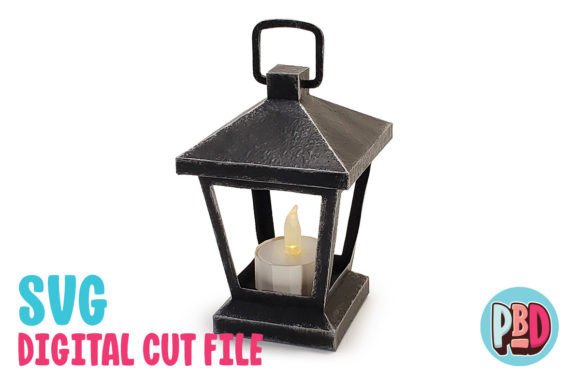
The Lamp Post Ornament arrives as a surprisingly versatile 3D SVG design, offering a soft, decorative aesthetic that leans into lifestyle and seasonal content. At first glance, the detailed lantern shape—crafted to fit a 38mm flameless tea light—evokes a sense of warmth and nostalgia. It’s a design that feels both modern and artisanal, with subtle textures and dimensional depth that stand out without overpowering a layout.
Setting the Visual Tone: Mood, Niche, and Reader Perception
This design asset carries a gentle, inviting mood—ideal for lifestyle blogs, home décor guides, holiday content, and event planning niches. It reads as feminine and artistic, with enough visual clarity to work in clean editorial layouts. Readers will associate this ornament with warmth, celebration, and thoughtful presentation, making it a great fit for content that needs to feel personal yet polished.
It’s not inherently playful or bold, so it may not be the best match for high-energy niches like tech or sports. But for bloggers creating content around weddings, holiday crafts, interior design, or cozy living, this ornament can subtly reinforce the emotional tone of the page.
Real Publishing Use Cases: From Blog Graphics to Digital Products
As a blog designer and digital publisher, I immediately saw the Lamp Post Ornament fitting into several parts of a content workflow:
- Featured Images: Used as a decorative accent in header graphics, it adds visual interest without distracting from the headline.
- Pinterest Graphics: Works beautifully as part of seasonal or holiday-themed pins, especially when paired with warm color palettes.
- Newsletter Headers: Adds a touch of elegance to email banners, especially in newsletters focused on lifestyle or seasonal content.
- Downloadable Resources: Perfect for holiday printables, planners, or digital guides that benefit from a decorative touch.
- Canva Templates: A strong addition to pre-built templates for bloggers or small business owners who need quick, cohesive visuals.
It also integrates well into social media graphics and affiliate marketing visuals, especially when promoting products related to home décor, candles, or seasonal items.
Boosting Content Performance with Visual Clarity
When you're building a content-driven website, every visual element needs to earn its place. The Lamp Post Ornament contributes to stronger content performance by:
- Enhancing the first impression of a blog post or landing page with its warm, inviting design.
- Supporting a clear visual hierarchy by acting as a focal point or supporting graphic.
- Improving click-through potential on Pinterest and social media due to its seasonal and decorative appeal.
- Helping maintain consistent branding across digital products and editorial layouts when used across multiple assets.
For content creators and small business owners, this kind of design asset helps elevate the overall professionalism of your materials, which in turn builds reader trust and brand recognition.
Best Placement for Maximum Impact
Here’s where the Lamp Post Ornament shines brightest:
- Hero Images: Adds a warm, decorative element to landing pages or seasonal landing posts.
- Article Thumbnails: Works well for holiday or lifestyle-focused content when used as a supporting graphic.
- Editorial Accents: Great for section dividers or sidebars in editorial layouts.
- Newsletter Headers: Especially effective in seasonal email campaigns.
- Downloadable Printables: Enhances the perceived value of digital guides, planners, and worksheets.
Because of its ornate style, it performs best when it has room to breathe—don’t crowd it with too many other visual elements.
Use with Caution: When Simplicity Wins
While the Lamp Post Ornament is beautiful, it’s not a one-size-fits-all solution. Here’s where to tread carefully:
- Small mobile thumbnails: Its detail can get lost at very small sizes.
- Text-heavy blog images: May compete with headline text if not balanced properly.
- Low-contrast backgrounds: Can become hard to see if placed against similarly toned colors.
- Busy layouts: Tends to get lost or clash with too many other decorative elements.
- Corporate or serious niches: May feel out of place in highly professional or minimalist contexts.
Publisher’s Checklist: Testing and Optimization Tips
Before embedding the Lamp Post Ornament into live content, here are a few practical steps to ensure it supports your visual identity and content marketing goals:
- Test on desktop and mobile screens: Make sure it scales well and remains legible on smaller devices.
- Preview as a thumbnail: Check how it looks in a compressed format, especially for Pinterest or email use.
- Place inside a real blog layout: See how it integrates with your fonts, colors, and overall design system.
- Try with headline text: Ensure it doesn’t interfere with readability or visual flow.
- Check contrast and readability: Confirm it stands out clearly against your background colors.
- Test in black and white: Helps determine if it works in monochrome branding contexts.
- Pair with different fonts: Try it with serif, sans-serif, script, and display fonts to find the best visual harmony.
- Review file size: Optimize for fast loading, especially if used on multiple pages or in digital downloads.
- Verify licensing: Always confirm a commercial license before using in monetized content or digital products.
Final Thoughts: A Thoughtful Addition to Your Design Toolkit
The Lamp Post Ornament is more than just a decorative SVG—it’s a graphic design asset that, when used thoughtfully, enhances the editorial quality and visual appeal of your content. Whether you're crafting a Pinterest pin, designing a lead magnet, or preparing a digital guide, this ornament brings a touch of warmth and sophistication to your visual storytelling.
For bloggers, newsletter creators, and online educators, it’s a smart choice when you want to add a decorative flair without sacrificing clarity or professionalism. Just remember to test it in context, optimize for performance, and align it with your brand identity for the best results.